
The Tariff Standstill: Why the Dollar is Trapped and How Wall Street is Positioning
The US dollar is trapped in a tight range amid tariff threats. Discover the hidden market impact and the exact strategies Wall Street is using right now.
By – Sevs Armando
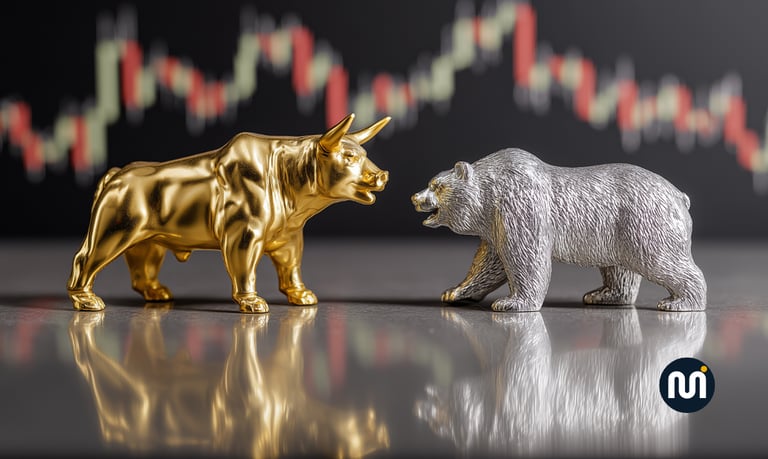
The greenback is paralyzed. Right now, the US dollar is trading in a suffocatingly tight range, locked in a tug-of-war between aggressive geopolitical posturing and macroeconomic reality. Institutional capital has hit the pause button. Traders are sitting on their hands, watching tariff threats fly across international borders, waiting for a definitive catalyst to break the stalemate.
We saw this exact pattern play out during the 2018 trade conflicts. When Washington weaponizes trade policy, currency markets do not immediately crash—they compress. The uncertainty surrounding new import levies creates a liquidity vacuum. Market makers widen their spreads, and retail investors get chopped to pieces trying to guess the next directional move.
The Hidden Impact: The Calm Before the Breakout
Mainstream financial networks are selling this sideways price action as "market stability." They are dead wrong. This is a pressure cooker. When currency volatility hits historic lows amid massive fundamental uncertainty, the eventual breakout is violent. The longer the dollar trades within this restricted channel, the more explosive the resolution will be. Wall Street veterans know that prolonged consolidation builds massive trapped liquidity. Once the tariff policies move from Twitter threats to signed legislation, the dam breaks.
This hidden tension directly attacks your purchasing power. If the tariffs pass as proposed, the cost of imported goods will spike overnight, forcing a stealth inflation wave that the Federal Reserve cannot control with standard rate cuts. Your cash is silently depreciating while the chart looks flat. Supply chains are quietly rerouting. Corporate earnings projections for the next two quarters are being quietly slashed by analysts anticipating margin compression.
Small to mid-sized businesses that rely on overseas manufacturing are already feeling the squeeze. They are paying premium prices for forward contracts just to lock in today's exchange rates, bleeding their operational capital. The media focuses on the lack of movement on the ticker. The real story is the massive capital drain happening off-exchange.
The Smart Move: Profiting from Compression
Hope is not an investment strategy. Waiting for the politicians to provide clarity is the fastest way to get left behind.
Right now, you must stop trying to predict the direction of the dollar and start trading the volatility expansion. The smartest money in the room is executing straddle and strangle options strategies. They do not care if the dollar violently rips higher on nationalist sentiment or collapses under the weight of trade retaliation. They only care that it moves. By positioning for an expansion in implied volatility, you turn the looming tariff chaos into an asset.
ou must also hedge your cash exposure by front-running the supply chain disruption. Rotate capital out of import-heavy consumer discretionary stocks. Move aggressively into domestic industrial base equities or non-correlated hard assets like commodities. Gold and industrial metals thrive when fiat currencies get weaponized. Do not sit in cash waiting for the dust to settle. By the time the tariff reality hits the front page of the Wall Street Journal, the institutions will have already taken their profits from the ensuing volatility.
Related Stories
The Money Impact © 2026
Business and finance explained by impact.
